
Montana Home Inspection Process Overview

Buying or selling a home is a big step. It involves many details and decisions. One of the most important steps is the home inspection. This process helps uncover issues that might not be obvious. It gives a clear picture of the home's condition. In Montana, especially in Flathead County, the home inspection process has some unique points. I want to share what you can expect and how to prepare for it.
Understanding Montana Property Checks
When you schedule a home inspection, the inspector will look at many parts of the house. This includes the roof, foundation, plumbing, electrical systems, heating and cooling, and more. The goal is to find any problems that could affect the safety or value of the home.
In Montana, the weather and local building styles can affect what inspectors focus on. For example, inspectors pay close attention to insulation and heating systems because of the cold winters. They also check for water damage or drainage issues, which can be common in areas with heavy snow or rain.
A typical inspection lasts about 2 to 3 hours. The inspector will take notes and photos to include in the report. This report is your guide to understanding the home's condition. It helps you decide if you want to move forward with the purchase or ask for repairs.

Key Steps in the Montana Property Checks
The home inspection process follows a clear path. Here are the main steps you can expect:
Scheduling the Inspection
Once you have a signed purchase agreement, you or your agent will book the inspection. It’s best to do this early in the process to allow time for any follow-up.
Pre-Inspection Preparation
Make sure the home is accessible. Clear any clutter that might block access to important areas like the attic, basement, or electrical panel.
The Inspection Day
The inspector will arrive and start a thorough walk-through. They will test appliances, check structural elements, and look for signs of damage or wear.
Reviewing the Report
After the inspection, you will receive a detailed report. This usually includes photos and explanations of any issues found.
Next Steps
Use the report to negotiate repairs or price adjustments with the seller. You can also decide if you want to proceed with the purchase.
What to Expect During the Inspection
During the inspection, the inspector will check many systems and components. Here are some examples:
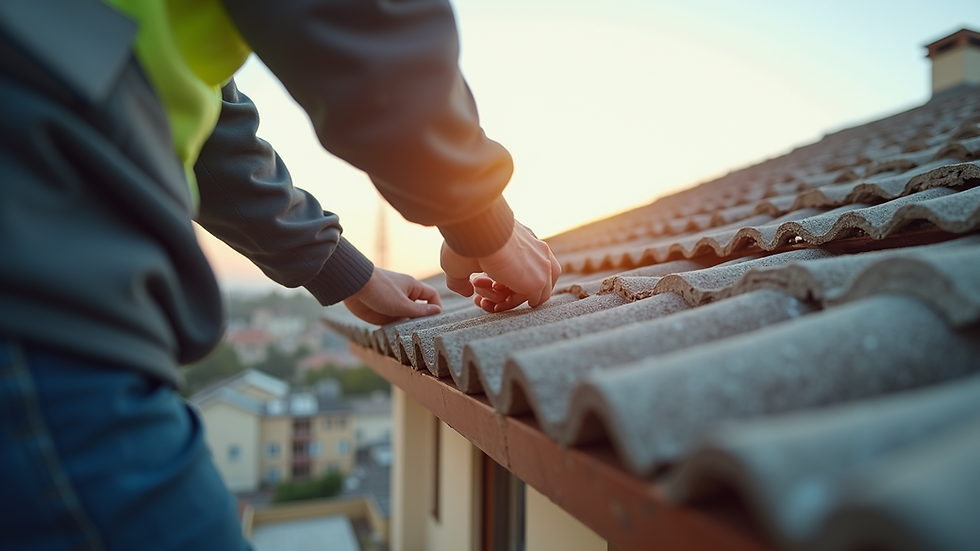
Roof and Gutters: Checking for missing shingles, leaks, or damage.
Foundation and Basement: Looking for cracks, moisture, or signs of settling.
Plumbing: Testing water pressure, checking pipes for leaks or corrosion.
Electrical System: Ensuring outlets, switches, and panels are safe and up to code.
Heating and Cooling: Verifying the furnace, air conditioner, and ventilation work properly.
Interior and Exterior: Examining walls, ceilings, windows, doors, and siding.
The inspector will also note any safety concerns, such as faulty wiring or mold. They may recommend further testing if needed, like radon or pest inspections.

Why Choose a Professional Montana Home Inspection?
A professional inspection is more than just a checklist. It requires experience and knowledge of local conditions. In Montana, homes face unique challenges like heavy snow loads, cold temperatures, and wildlife. A skilled inspector understands these factors and knows what to look for.
Choosing a trusted company like Krost Home Inspection means you get a clear, unbiased report. They offer a wide range of specialized tests to cover all bases. This helps you make smart decisions about your investment.
If you want to learn more about the montana inspection process, visiting their website is a good start. They explain their services and how they help buyers and sellers in Flathead County.
Preparing for Your Montana Home Inspection
To get the most from your inspection, some preparation helps:
Be Present: If possible, attend the inspection. This lets you ask questions and see issues firsthand.
Gather Documents: Have any home maintenance records or previous inspection reports ready.
Make a List: Write down any concerns or areas you want the inspector to focus on.
Clear Access: Ensure all areas are easy to reach, including crawl spaces and attics.
Plan for Weather: Montana weather can be unpredictable. Dress appropriately and be ready for outdoor conditions.
By preparing well, you help the inspector do a thorough job. You also gain a better understanding of the home’s condition.
Moving Forward with Confidence
After the inspection, use the report to guide your next steps. If the report shows minor issues, you might ask the seller to fix them or adjust the price. For major problems, you may want to reconsider the purchase or negotiate more extensively.
Remember, the inspection is a tool to protect your investment. It helps avoid surprises after you move in. Taking the time to understand the home’s condition pays off in peace of mind.
If you are selling, a pre-listing inspection can help you identify and fix problems before buyers see them. This can speed up the sale and increase buyer confidence.
Montana’s unique climate and building styles make a thorough inspection essential. Working with a trusted inspector ensures you get a clear, honest picture of the property.
By following these steps and tips, you can navigate the home inspection process smoothly. Whether buying or selling, a good inspection is key to making informed decisions about your property in Flathead County, Montana.


Comments